
Driver's ed skips this part
They learn to park and merge. Nobody walks them through what happens when an officer knocks on the window — or how fast things can go wrong if they panic.
 Traffic Stops & Teen Drivers
 Driver's ed covers parallel parking. It doesn't cover what to do when an officer walks up to the window. This live class fills that gap — taught by a Assistant State Attorney in Florida who handles traffic fatality cases in Hernando County.
Most of it is avoidable
After years of prosecuting traffic cases, Rob Lewis keeps seeing the same thing: a scared teen, a tense officer, and a mistake that didn't have to happen. The live class covers the habits that keep a normal stop normal.
Plain talk
No legalese. You and your teen sit in on a live session and leave knowing what to do.
Real experience
Rob walks through what goes wrong in real cases — and what keeps everyone safe.
Before they drive alone
One live class, while they still listen to you, before their first solo trip or first stop.
They learn to park and merge. Nobody walks them through what happens when an officer knocks on the window — or how fast things can go wrong if they panic.
Rob Lewis prosecutes traffic deaths in Hernando County. He knows which mistakes show up again and again — and which ones your teen can avoid with a little prep.
This isn't about blame. It's about keeping hands visible, staying calm, and getting home — then sorting out tickets or disputes the right way, later.
It might be your kid, late for curfew. It might be something far worse. Officers are trained to expect the worst. Your teen's job is to show them, quickly and clearly, that this is just a normal stop.
Worth knowing · Florida
Police can pull you over when they have a valid reason under Florida law — a broken taillight, speeding, or other traffic violations.
Your teen doesn't need to win on the shoulder. They need to stay safe, be polite, and handle any disagreement later — in court, with a lawyer if needed.
That's what the live class is for: compliance first, rights protected.
These come up in real cases. Rob walks through them in the live class.
Tell the officer what you're doing. Wait for a yes. Then move slowly.
A bag, a tool, a phone — anything new in the cabin raises tension. Keep the car tidy and predictable.
Put on your hazards, slow down, and stop as soon as it's safe. If you need a lit spot, say so through the window.
Four lessons Rob covers in the live class — what to do, what to say, and what not to do when those lights come on.
Signal, move to the right, turn off the engine, roll down the window, and turn the music off. Use your hazards if you need a better-lit spot first.
Both hands on the wheel. Tell the officer before you reach for your wallet or registration. Passengers keep their hands where they can be seen too.
Answer clearly. You can say you don't consent to a search — without being rude. Save the argument for court, not the side of the road.
Don't lunge for something in the glove box. Don't get out of the car unless you're told to. Don't turn a ticket into a confrontation.
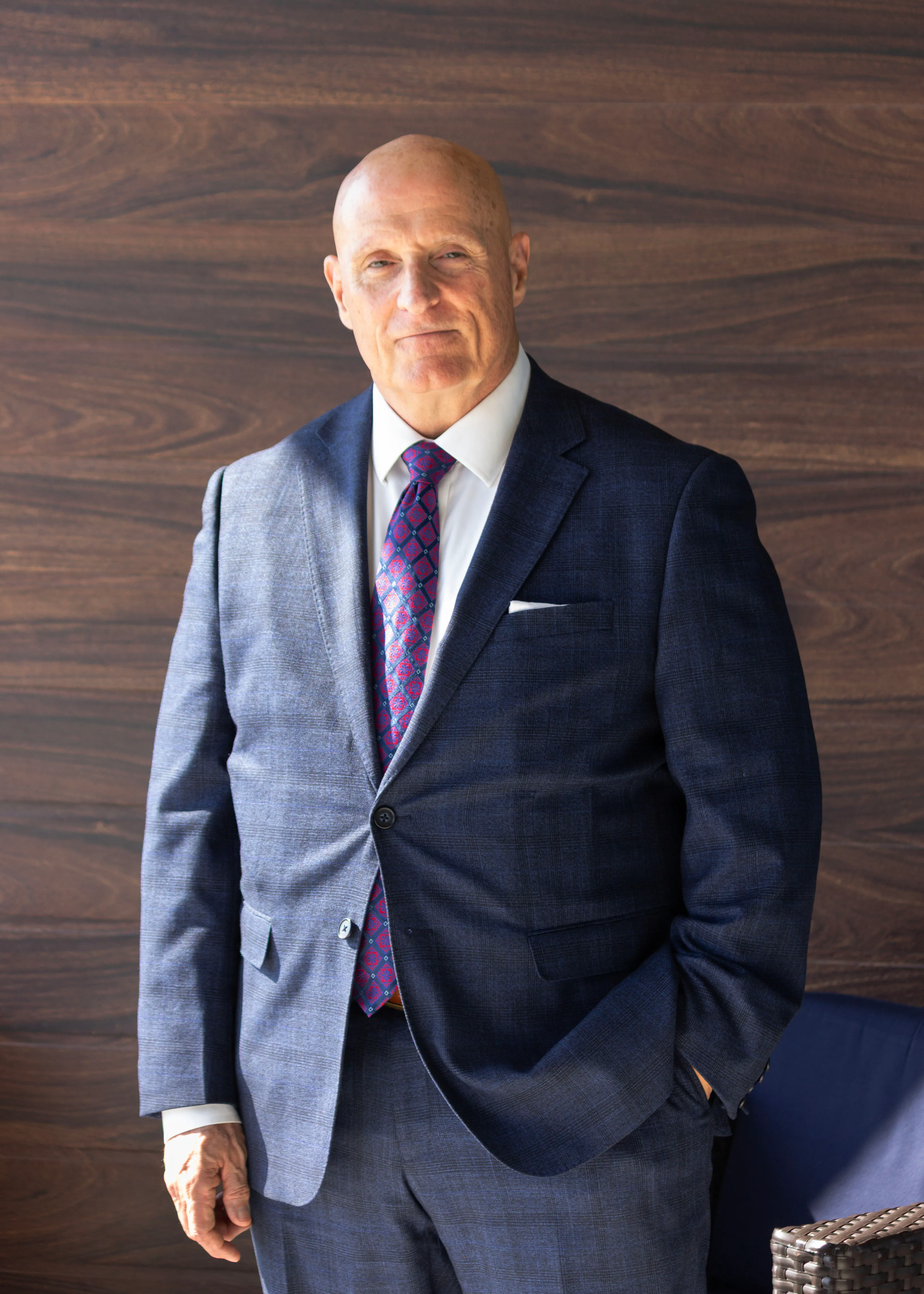
Rob is an Assistant State Attorney in Florida. He prosecutes serious felonies — including every traffic homicide in Hernando County. He built this live class because he kept meeting families who wished their teen had heard this stuff earlier.
He's not selling fear, and he's not picking sides. He wants your kid home safe, and he wants officers to go home safe too. That means knowing what a stop looks like from both sides of the window.
Assistant State Attorney · Felony Division Docket Manager · Homicide Division
Short clips on the ideas he teaches. Tap any one to play.
When an impaired driver kills someone, proving the crash caused the death is its own legal puzzle.
Why steady communication with a victim's family matters in a homicide case.
Unlikely allies — a short lesson on working with people you disagree with.
A practical way to defuse difficult people instead of escalating.
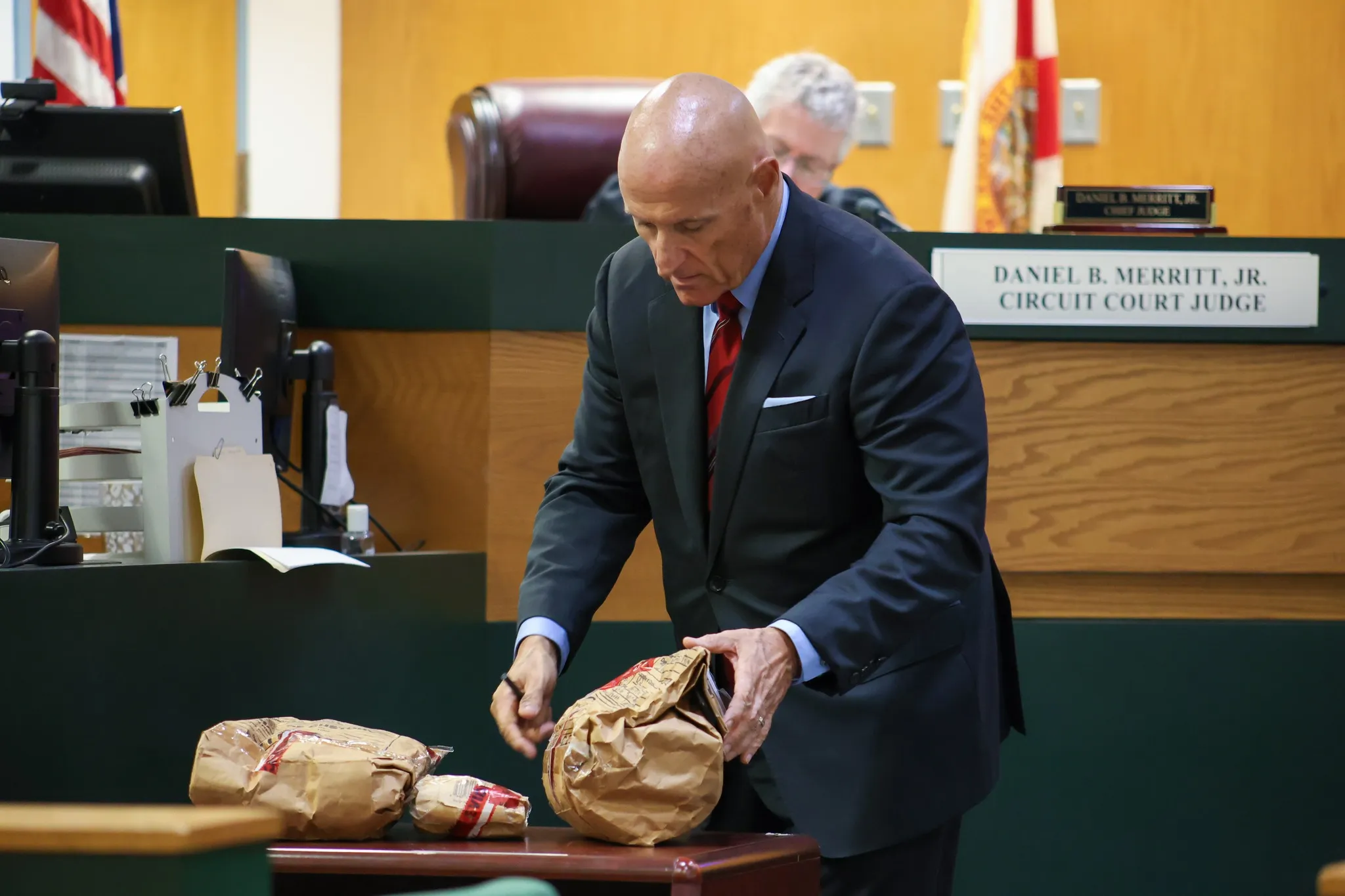
This isn't theory from a textbook. Rob has spent his career in the courtroom — building cases, handling evidence, and seeing exactly how a routine stop can turn into something much bigger.
That's the perspective he brings to the live class: not scare tactics, but the habits that keep a normal stop normal.
Live class · Traffic Stops & Teen Drivers · Seats for your household.

—
Ready to enroll
Secure checkout opens in a window on this page.
Still deciding?
Book a free call with Rob to ask questions before you enroll.
The same things Rob hears in the classroom and after live sessions.
Often yes, but how they do it matters. Phone on the dash, hands visible, no sudden movements toward the officer. Recording to make a point on the roadside usually makes things worse, not better.
They can say: "I do not consent to a search." That is their right. They should say it calmly, keep their hands visible, and comply with lawful orders.
Yes, in many stops. The officer still can't hold your teen unreasonably long just to wait for a dog to show up. Rob covers this in the live class.
Comply first. Be polite. Get the officer's name and badge number if they can. Fight the ticket or the issue later — with a lawyer, not on the shoulder.
Because the officer doesn't know your teen yet. They don't know if it's a kid who forgot to signal or something worse. When your teen acts predictably, everyone stays calmer.
Sign your teen up for a live class with an Assistant State Attorney who handles these cases every day. You'll both walk out knowing what to do.